
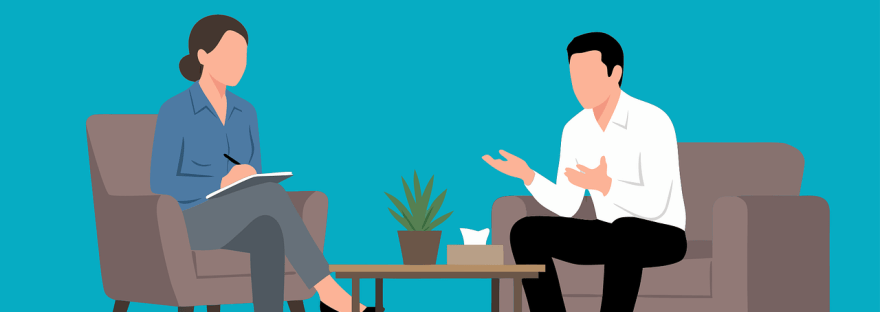
Many people seek therapy because they feel anxious most of the time—on edge, overwhelmed, or unable to relax even when life appears “fine” on the surface. If you’re constantly worrying, overthinking, or feeling tense, you might be wondering why this keeps happening and whether things can really change.
Anxiety is one of the most common reasons people reach out for counselling, and you’re not alone in feeling this way.
Common symptoms of anxiety
Anxiety can show up differently for everyone, but common signs include:
- Constant worry or racing thoughts
- Feeling tense, restless, or on edge
- Difficulty sleeping or switching off
- Physical symptoms such as a tight chest, rapid heartbeat, or nausea
- Avoiding situations that feel overwhelming
- Self-doubt or fear of getting things wrong
Over time, anxiety can begin to affect your confidence, relationships, and sense of wellbeing.
Why anxiety can feel constant
Anxiety often develops as a response to stress, pressure, or past experiences. While it may have once been a way of coping or protecting yourself, it can start to feel exhausting when it becomes a constant background presence.
Patterns of unhelpful thinking, emotional overwhelm, or learned behaviours can keep anxiety going—especially when you’re trying to manage everything on your own.
How therapy for anxiety can help
Therapy offers a safe, supportive space to understand what’s driving your anxiety and how to respond to it differently.
In anxiety counselling, we can:
- Explore triggers and patterns that keep anxiety going
- Learn practical tools to manage anxious thoughts and physical symptoms
- Build emotional awareness and self-compassion
- Develop healthier coping strategies that feel sustainable
- Increase confidence and sense of control
I work using an integrative approach, including CBT (Cognitive Behavioural Therapy), which can be particularly effective in helping people understand and change unhelpful thought patterns linked to anxiety.
CBT and integrative counselling for anxiety
CBT helps you notice how thoughts, feelings, and behaviours interact, while integrative counselling allows space to explore deeper emotional experiences and past influences. This flexible approach means therapy can be tailored to you, rather than forcing you into a one-size-fits-all model.
Many clients find that therapy helps them feel calmer, clearer, and more able to cope with daily life—without feeling overwhelmed all the time.
When to consider reaching out
You don’t need to be at breaking point to seek therapy. If anxiety is affecting your sleep, mood, relationships, or quality of life, it may be helpful to talk to a therapist.
If you’re looking for anxiety therapy in North Lanarkshire, I offer a calm, supportive space where you can feel heard and understood, whether you choose face-to-face or online sessions.
Taking the first step
Reaching out can feel daunting, but it’s often the first step towards meaningful change. If anxiety is something you’re struggling with, therapy can help you make sense of it and find a way forward that feels right for you.
You’re welcome to contact me for a free 10–15 minute telephone consultation to see whether working together feels like a good fit.

 CBT, Counselling & ADHD Coaching in North Lanarkshire | Minds Matter Therapy